
 Cosmetic Dentistry
 General Dentistry
 Restorative Dentistry
 Dental Implants
 Orthodontics
 Sleep Dentistry
 Emergency Dentist
 Children’s Dentist
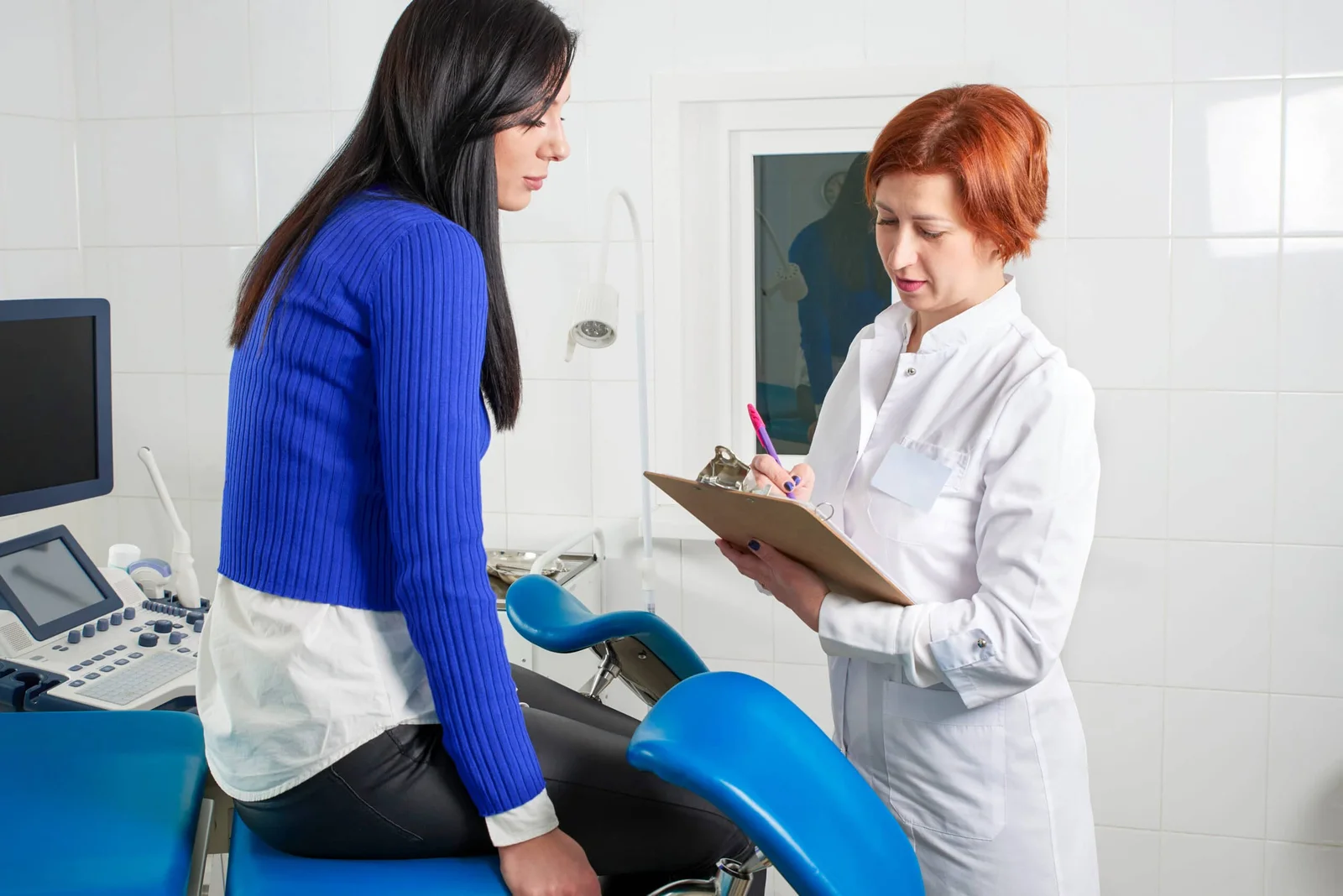
Top image: AI-generated illustration.
You’ve started a medicine and now your mouth feels sticky, especially when you eat or wake up. You might be wondering whether to put up with it, buy a mouth spray or stop the tablets. Start with a conversation about the cause, rather than changing the medicine yourself.
Medicines can contribute to a dry mouth, but other causes are possible. Do not stop a prescribed medicine without speaking to your doctor. Karrinyup Dental Centre’s first consultation includes discussing your needs and treatment options; tell the team about the dryness and bring your medicine list.
- Medicines can cause dryness. Other causes are possible too, so don’t assume a new prescription explains every symptom.
- Keep taking prescribed medicine until you’ve spoken with your doctor. Your dentist can help assess the effects on your mouth.
- Bring your medicine list. Karrinyup Dental Centre’s first consultation includes discussing your needs and explaining treatment options.
By Dr Justin Soon.
Does dryness mean my medicine is damaging my teeth?
Dryness doesn’t establish the cause or tell you whether damage has occurred, but it is a reason to have your mouth checked. The Australian Dental Association’s dry-mouth guidance describes dry mouth as a symptom and explains that it is not always caused by the saliva glands failing to work properly. Medicines, dehydration and some health conditions are among the possible causes.
Saliva does more than keep your mouth comfortable. Victoria’s Better Health Channel explains that it helps neutralise acids produced by plaque bacteria and contains minerals important for teeth. When you don’t have enough saliva, the risk of decay rises. A spray that makes your mouth feel wetter therefore doesn’t answer every question about protecting your teeth.
Tell your dentist when the dryness began and whether a prescription, dose or over-the-counter product changed around that time. Better Health Channel describes reviewing symptoms, medical history and the mouth and teeth as parts of assessing dry mouth. Your dentist and doctor can work through the possible causes rather than relying on the timing alone.
Who should I speak to: my doctor or my dentist?
Speak to your doctor about the medicine and your dentist about your mouth; these are connected but different jobs. Both Australian sources advise against changing prescribed medicines on your own.
“Do not stop taking your medicine without speaking to your doctor.”
— Better Health Channel, Dry mouth, reviewed 9 September 2025, Self-care suggestions for dry mouth
| Australian Dental Association | Lists medicines among several possible causes. Advises discussing medicines, vitamins and supplements with your doctor and seeing a dentist for assessment and a care plan. |
|---|---|
| Better Health Channel, Victorian Department of Health | Explains that the prescribing doctor may consider a different dose or medicine. Also describes dental examination, symptom review and saliva tests as possible assessment tools. |
These sources aren’t saying that every dry mouth needs a medicine change or every person needs a saliva test. The cause and the next step need an individual assessment. Your doctor may also decide that the medicine needs to stay the same.
What can I do while I arrange advice?
Keep up gentle daily cleaning and ask which dryness and fluoride products suit your mouth. The ADA and Better Health Channel recommend fluoride toothpaste, cleaning between the teeth and limiting sugary foods and drinks. The ADA also describes saliva-replacement products such as gels and sprays; Better Health Channel recommends discussing product choice with your dentist.
Sugar-free chewing gum is another option discussed by both sources. The ADA cautions that chewing gum may not suit someone with jaw pain or a jaw problem. If that applies to you, ask about another approach instead of working through discomfort.
Don’t assume sour lollies or a sweet drink are a helpful way to deal with dryness. Better Health Channel advises avoiding sugary and acidic foods and drinks, and notes that sour lollies can irritate dry tissues. If eating feels difficult, the ADA suggests moistening food, for example with a sauce, rather than relying on dry foods.
Why do the sources give different advice about water?
Their wording differs, so ask for advice that fits your symptoms rather than treating either page as a fixed drinking schedule. The ADA suggests sipping water while eating. Better Health Channel recommends drinking plenty of water but advises against slow sipping because it can wash away saliva. Neither source gives a universal daily quantity in this guidance.
Bring up when the dryness bothers you: during meals, overnight or throughout the day. That gives your clinician a more useful starting point than asking how many bottles everyone should drink.
What should I ask about products and follow-up?
Ask for a plan that separates comfort, tooth protection and checking the cause. These may involve different measures; buying a gel doesn’t replace the medicine discussion or a dental assessment.
| Making the mouth feel more comfortable | Ask whether a saliva substitute, gel or spray suits your symptoms. Both Australian sources describe these options without saying one product suits everyone. |
|---|---|
| Protecting teeth from decay | Ask which fluoride toothpaste is appropriate and whether your cleaning routine needs changing. The ADA discusses higher-fluoride products; choose them with dental advice. |
| Checking the cause | Ask who will review your medicines and whether symptoms suggest another cause. Do not stop or reduce a medicine yourself. |
| Planning the next visit | Ask when you should return. The ADA says people with dry mouth may need more frequent checks; the interval depends on your needs. |
Four questions to take to the appointment
- Could any of my medicines or supplements be contributing, and who should review them?
- Can you check whether dryness has affected my teeth or the tissues in my mouth?
- Which comfort product and fluoride toothpaste would you recommend for me?
- What changes should prompt another appointment, and when should my next dental check be?
If you want background on what your dentist looks for, our article on early signs of tooth decay explains why changes aren’t always obvious at home. It isn’t a way to diagnose the cause of your dry mouth.
Your medicine-and-symptom checklist
Write down what has changed before you ring. Better Health Channel lists reviewing medicines, medical history and symptoms among the ways dry mouth is assessed. A short note helps you explain the sequence without trying to decide the cause yourself.
- When did you first notice the dryness, and is it worse overnight, during meals or throughout the day?
- Which prescribed medicines, over-the-counter products or supplements have started, stopped or changed recently?
- Are you finding it difficult to chew or swallow dry food, or have you noticed a burning feeling, cracked lips or mouth ulcers?
- Do you wear dentures, and have you noticed that they feel looser?
- Have you tried a spray, gel, mouthwash or toothpaste for the dryness? Bring its name so you can ask whether it suits you.
- What do you want help with first: comfort, eating, checking the teeth or understanding who should review the medicine?
Better Health Channel also describes symptoms beyond the mouth that can accompany some causes of dryness, including dry eyes, joint discomfort and feeling generally unwell. Tell your doctor about other changes rather than assuming they are unrelated. The presence of a symptom does not identify a particular condition.
How do you turn the advice into a plan you can follow?
Ask the dentist to separate what is known from what still needs checking. You might already know when the dryness began, but not why it began or whether it has affected your teeth. Better Health Channel explains that care depends on the cause and may involve a medicine review, a comfort product, dental products or treatment of an underlying condition.
A useful conversation is: “Could we write down what I should do for my mouth, who I should speak to about my medicines, and when I need to come back?” Ask which changes should prompt another call. Do not use a general article to decide that a persistent symptom can wait for your next routine cleaning visit.
If you leave with several recommendations, ask which to start first and how to use any suggested product. Bring up practical issues such as cost, remembering an extra step or managing products while away from home. The aim is an individual plan you understand, rather than a bag of products chosen without a discussion.
What happens at Karrinyup Dental Centre?
Our published first-visit process starts with understanding your dental needs, gathering relevant information and answering your questions, then explaining the treatment options. Tell us about the dryness when you book, and bring your current medicine and supplement list to that conversation.
- Explain when your symptoms started and what has changed since then.
- Discuss your concerns and questions during the initial consultation.
- Ask the dentist to explain the proposed care, costs and follow-up before you agree to it.
We provide scale and clean appointments and dental fillings. Whether either is needed depends on the assessment; dryness alone doesn’t tell you which treatment to book.
What will the appointment cost?
Ask for an estimate for the assessment and any proposed treatment separately. A routine cleaning appointment and a plan for ongoing dryness may involve different services. If you use private dental cover, ask for the proposed item numbers and check the benefit and remaining limits with your fund before proceeding. Ask what is included and what would be charged separately.
Call (08) 9341 6233 or use our contact page to arrange a visit. You can say: “My mouth has felt dry since a medicine change. I’d like to discuss what to check and what to bring.”
Sources
Sources checked 2 November 2026. This is general published guidance, not personal dental advice.
- Victorian Department of Health, Better Health Channel: Dry mouth, reviewed 9 September 2025, including Self-care suggestions for dry mouth. Short unchanged quotation attributed above; no source artwork or patient framework reproduced. Reference: www.betterhealth.vic.gov.au.
- Australian Dental Association: Dry mouth, independently written factual context and comparison of published water advice.
- Karrinyup Dental Centre: new patients, scale and clean, Dr Justin Soon and contact details.
Photos in this article are AI-generated illustrations, not photos of Karrinyup Dental Centre, its staff or patients.