
 Cosmetic Dentistry
 General Dentistry
 Restorative Dentistry
 Dental Implants
 Orthodontics
 Sleep Dentistry
 Emergency Dentist
 Children’s Dentist
Thinking about bonding a chipped edge or closing a small gap? Before choosing treatment, ask what needs changing, how much tooth preparation is involved, what the alternatives are and what ongoing care could cost.
Composite bonding uses tooth-coloured resin bonded to a tooth. The Australian Dental Association explains that dentists use this material for broken teeth and cosmetic treatments. Karrinyup Dental Centre offers personalised bonding assessments, including a discussion of risks. Your consultation is the time to establish whether the proposed treatment suits your teeth.
Summary of The Content
- Ask your dentist to distinguish a small edge addition from a composite veneer covering the tooth's front surface.
- Discuss your bite, tooth preparation, shade and alternatives before agreeing to treatment.
- Bonding can chip, discolour or cause sensitivity, and future maintenance may be needed.
- Request an individual quote and appointment plan rather than relying on an advertised timeframe.
What Should You Expect at a Bonding Consultation?
Expect a discussion about your concerns and whether bonding is appropriate, rather than an automatic agreement to treat. Karrinyup Dental Centre's information on composite bonding in Perth describes individual assessment and discussing potential risks before treatment.
Be specific about what bothers you. Is it one rough corner, a gap or the shape of several teeth? Explain what you would prefer to leave unchanged, too. You can ask the dentist to show you which surfaces they propose treating.
The ADA's fillings guidance explains that tooth location, the way teeth bite together and the size of a restoration influence material choice. Those are useful starting points for a discussion about resin on front teeth. The consultation should help you understand the proposed work, not just its appearance.
Eight Questions to Ask Before Composite Bonding
1. Are We Discussing Edge Bonding or a Composite Veneer?
Ask exactly where the resin would go and how much of each tooth it would cover. If you have been searching for edge bonding, don't assume everyone uses that term to describe the same amount of work.
Healthdirect distinguishes using resin to repair a small section of a tooth from a veneer covering its front. The ADA describes composite veneers as resin applied directly to the front surface and shaped by the dentist. Both discussions involve composite material, but the proposed coverage matters.
A useful question is: "Can you show me the area you would add to, and explain why that amount is needed?"
2. What Do My Bite and Existing Dental Health Mean for This Plan?
Ask how your teeth meet and whether existing dental problems change the recommendation. The ADA includes bite and restoration size among the factors that influence filling material choice.
Tell the dentist if you clench or grind, have sensitivity, or already have fillings on the teeth you want treated. Healthdirect's veneers guidance notes that grinding, clenching and gum disease can affect suitability for veneers. That does not establish whether a small resin addition is suitable for you; ask for an assessment of the actual proposal.
Also ask whether anything needs attention before you decide about cosmetic changes. Don't leave with a plan you cannot explain in your own words.
3. Will Any Natural Tooth Need to Be Trimmed?
Ask about preparation for your particular teeth; don't assume adding resin means no tooth will be altered. The ADA explains that composite bonds to the tooth surface, allowing less tooth removal than some filling approaches. That is not a statement that every case needs none.
For composite veneers, healthdirect says a small amount of natural tooth may need trimming and local anaesthetic might be used. Ask whether that applies to your proposed treatment, why it is needed and what it means if the resin needs replacing later.
You can also ask: "If I decide against this treatment later, what would removing or changing it involve?" Get a case-specific explanation rather than assuming it can simply be undone.
4. What Other Options Should I Consider?
Ask for alternatives that address the concern you actually have. Healthdirect lists small resin repairs, whitening, crowns and orthodontic treatment among alternatives to veneers. It also identifies leaving teeth as they are as an option.
These treatments do different jobs. Healthdirect explains that veneers do not straighten teeth or correct bite problems. If tooth position is your concern, ask whether an orthodontic assessment is relevant instead of assuming that adding material addresses it.
Ask the dentist to explain the reasons for each suitable option, including the option of no cosmetic treatment. That is a discussion about your circumstances, not advice to delay treatment for a dental problem.
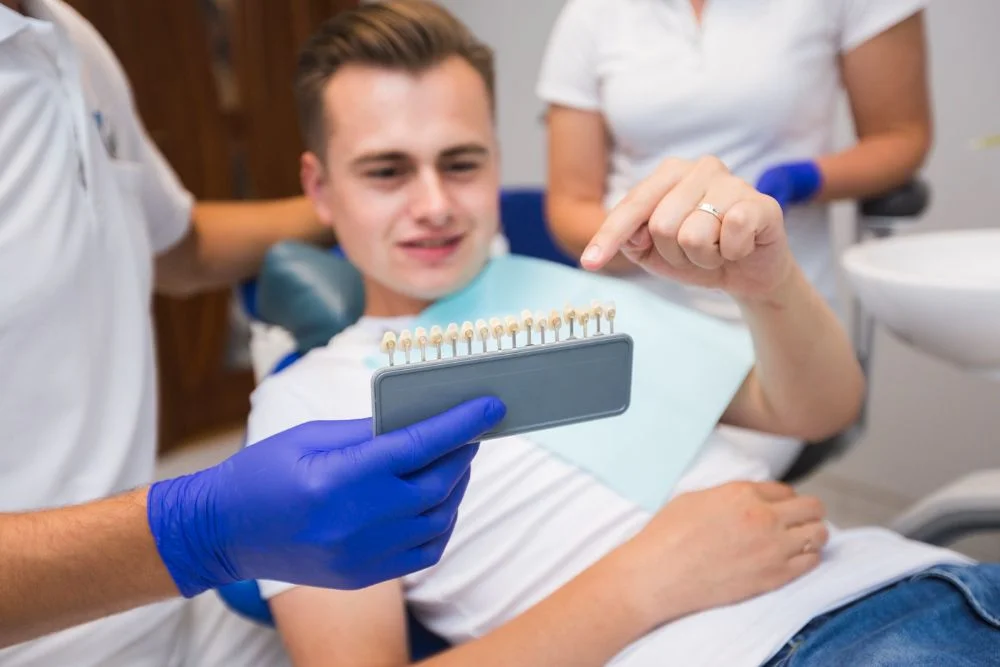
5. How Will We Choose the Shade, Especially If I Want Whitening?
Mention any whitening plans before choosing a resin shade. Karrinyup Dental Centre's bonding information states that the bonding material itself will not whiten and recommends discussing whitening before bonding.
The ADA says composite colour can be matched to the tooth being treated. Ask how the proposed colour relates to your surrounding teeth and existing restorations, and what happens if their colours differ later.
If you are considering professional teeth whitening, raise it at the consultation rather than starting products yourself to meet an appointment deadline. Ask your dentist to explain the sequence appropriate for your teeth.
6. What Could Go Wrong, and What Would Need Another Appointment?
Ask about sensitivity, chipping, discolouration and possible reactions to the material. These are risks identified on Karrinyup Dental Centre's bonding page, which also notes that touch-up treatment may be needed.
The ADA explains that fillings can change colour and that gaps can develop at the join between a tooth and a filling, allowing bacteria to collect and decay to occur. Resin does not remove the need to care for the underlying tooth.
Ask what changes you should report, who to contact and what a review would involve. The ADA advises returning to your dentist if sensitivity after a filling does not go away or gets worse.
7. What Does the Evidence Say About Future Maintenance?
Discuss maintenance without treating a quoted lifespan as a deadline or an individual forecast. The ADA puts it plainly: "Fillings do not last forever."
A 2015 systematic review of anterior composite restorations considered different front-tooth restorations, including repairs, veneers and work on worn teeth. It was not a study solely of small edge additions. Its findings should not be turned into a personal lifespan estimate for your bonding.
Ask what polishing, repair or replacement might involve in your case, and how those decisions would be made. The ADA recommends brushing twice daily with fluoride toothpaste and cleaning between teeth daily for teeth with veneers. Karrinyup Dental Centre also advises avoiding chewing hard objects or using bonded teeth to open bottles.
8. What Is Included in My Quote and Appointment Plan?
Request a written explanation of the proposed work and costs. Karrinyup Dental Centre states that bonding costs depend on the dental condition, number of teeth and extent of treatment.
Ask whether the quote includes any examinations, preparatory care, review visits or later adjustments, rather than assuming those items are included. Ask separately about future repair charges.
The clinic also says treatment time depends on the number of teeth and complexity of the work. Confirm how many visits are proposed and whether the first appointment is assessment only before arranging time away from work.
What Should You Bring?
Bring a short list of questions and explain any previous dental treatment or concerns you want considered. Useful notes include:
- The particular edge, gap or tooth shape you want to discuss.
- Anything you do not want changed.
- Any sensitivity, known clenching or grinding, and existing restorations.
- Whitening plans and questions about future maintenance costs.
Frequently Asked Questions
Can I Have Bonding at My First Visit?
Ask when booking. The clinic says timing varies with the work required; do not assume that an assessment appointment includes treatment.
Does a Small Chip Automatically Need Bonding?
No treatment decision should be based on appearance alone. Ask your dentist to assess the tooth and explain whether treatment is needed and which options are suitable.
Can Bonding Change Colour Later?
Yes. The ADA notes that composite fillings can change colour with age. Karrinyup Dental Centre also lists discolouration among bonding's possible limitations. Ask how colour changes would be assessed.
Final Thoughts
You don't need to arrive knowing which treatment to choose. Bring your questions and ask for an explanation of suitability, preparation, risks, alternatives and costs before deciding.
To arrange a consultation at Karrinyup Dental Centre, Unit 5/57 Burroughs Road, Karrinyup WA 6018, contact our team or call (08) 9341 6233. You can say: "I'd like an assessment of a chipped edge or gap and to discuss whether composite bonding is suitable."
Sources
General published guidance, not personal dental advice. Sources checked 29 October 2026.
- Australian Dental Association: Fillings.
- Australian Dental Association: Crowns, bridges and veneers.
- Healthdirect: Veneers, reviewed February 2025.
- Demarco and colleagues, 2015: Anterior composite restorations: a systematic review on long-term survival and reasons for failure.
- Karrinyup Dental Centre: dental bonding and clinic contact information, linked above.