 Cosmetic Dentistry
 General Dentistry
 Restorative Dentistry
 Dental Implants
 Orthodontics
 Sleep Dentistry
 Emergency Dentist
 Children’s Dentist
If you wake with a sore jaw or a dull headache, or someone has told you that you grind your teeth in your sleep, it is worth mentioning at a dental check. Healthdirect advises that if you have symptoms of teeth grinding, you should talk to your dentist or doctor.
Grinding at night is easy to miss. Healthdirect notes that if you grind your teeth while asleep, you may not be aware that you are doing it, and a bed partner is often the first to notice the sound. Some people have no symptoms at all.
This article explains the signs to look out for, what a check for teeth grinding involves at Karrinyup Dental Centre, and the options your dentist may talk through with you.
Summary of the Content
- Teeth grinding (bruxism) is grinding or clenching that is not part of normal chewing, and it can happen during sleep.
- Signs can include a sore jaw in the morning, headaches, sensitive teeth, and chipped, cracked or loose teeth or fillings.
- Your dentist checks for tooth wear and damage and asks about your symptoms, sleep, general health and medicines.
- Not everyone who grinds needs treatment. Options can include managing triggers, a custom-made splint and repairing damaged teeth.
What Is Teeth Grinding?
Healthdirect describes bruxism as the medical name for teeth grinding or clenching that is not part of normal chewing. Adults and children can grind their teeth during sleep, and some people also grind during the day.
The Australian Dental Association explains that people who grind their teeth during sleep have no conscious control over it, and that grinding can cause teeth to wear and may damage the teeth and jaw joints.
What Are the Signs of Grinding at Night?
Healthdirect lists these possible symptoms of teeth grinding:
- cracked, chipped or loose teeth
- damaged tooth fillings
- painful jaw muscles, especially in the morning
- headaches or toothaches
- sensitive teeth
- sleep disturbance
- temporomandibular joint dysfunction
The Australian Dental Association adds aching teeth and stiffness in the face and temples, particularly in the morning after waking up, and jaw joints that become sore while eating.
What Can Make Grinding More Likely?
Healthdirect lists these possible causes and triggers:
- emotional stress and anxiety
- smoking
- alcohol or caffeine use
- snoring
- taking particular medicines, such as certain antidepressants
- using stimulants or drugs such as cocaine or ecstasy
Healthdirect also notes that people who grind their teeth while asleep may be more likely to have other sleep disorders, such as sleep apnoea. Do not stop or change a prescribed medicine on your own; talk to your doctor if you think a medicine may be playing a part.
What Does a Check for Teeth Grinding Involve?
Healthdirect explains that your dentist will check for signs of bruxism, such as tooth wear and damage, during regular dental check-ups. If they suspect teeth grinding, they will do an examination and ask about your symptoms, sleep habits, general health and medicines.
If your dentist finds that you have sleep bruxism, healthdirect says they may refer you to be checked by a doctor for sleep apnoea. The Australian Dental Association notes this may involve a referral to a sleep physician or your general medical practitioner.
Does Grinding Always Need Treatment?
No. Healthdirect states that not everybody who grinds their teeth needs treatment, and many children simply grow out of it. Where treatment is needed, it is common to use more than one approach.
Healthdirect lists ways your dentist or doctor may suggest managing stress and anxiety, such as counselling, relaxation techniques, good sleep habits and avoiding stimulants and caffeine. For the physical effects of grinding, options include a custom-made mouthguard (an occlusal splint) to protect your teeth, dental treatment to repair damaged teeth, physiotherapy for jaw muscle pain, and medical treatment for any linked conditions.
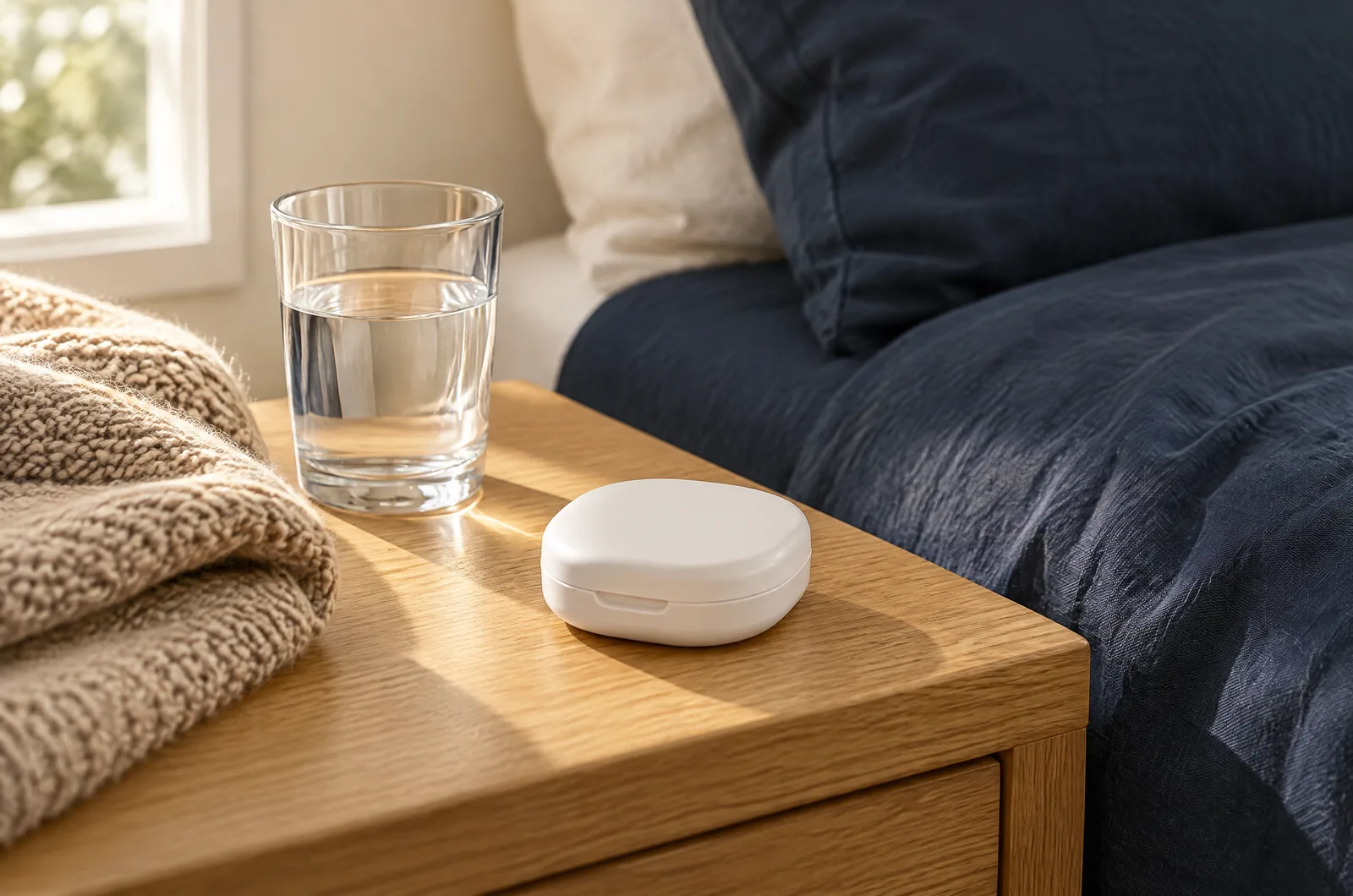
The Australian Dental Association explains that a splint will not stop you from grinding, but it protects the teeth from wear and damage. It is made of hard plastic, fits over the upper or lower teeth and is different to a sports mouthguard. Our bruxism treatment information notes that dental crowns may be used to strengthen teeth that have been weakened or damaged by grinding.
Are There Downsides to a Night Guard?
Every option has benefits and risks, and we talk these through with you before you decide. Our bruxism treatment information lists possible side effects of night guards, including discomfort or soreness in the jaw or teeth, difficulty speaking or swallowing, increased salivation or dry mouth, and headaches.
The Australian Dental Association recommends taking your splint to routine dental examinations so your dentist can check it is still working properly, and replacing it if it no longer fits or is worn or broken.
What About Cost and Health Funds?
The cost depends on the treatment you and your dentist decide on. Our bruxism treatment information notes that most health funds can offer partial cover, depending on your level of cover, so we recommend checking with your health fund. Our custom mouthguards page covers night guards for grinding as well as mouthguards for sport.
Booking a Check in Karrinyup
You can call us on (08) 9341 6233 or contact Karrinyup Dental Centre to arrange an appointment. This article was written by Dr Justin Soon (Dentist), one of the principal dentists at Karrinyup Dental Centre. If your gums also bleed when you brush, our guide to bleeding gums that don’t settle explains what a gum check involves.
Sources and Guidance Scope
Sources checked 17 November 2026. This is general information to help you recognise the signs of teeth grinding and prepare for an appointment, not an individual diagnosis or treatment plan. See your dentist or doctor about your own symptoms.
- Healthdirect: Teeth grinding (bruxism) — symptoms, causes, diagnosis, treatment and when to see a dentist or doctor.
- Australian Dental Association (teeth.org.au): Teeth grinding — signs, sleep apnoea checks and occlusal splints.
- Karrinyup Dental Centre: bruxism treatment — crowns for damaged teeth, night guard side effects and health fund cover.
- Dr Justin Soon’s clinic profile — author identity.