
 Cosmetic Dentistry
  General Dentistry
  Restorative Dentistry
  Dental Implants
  Orthodontics
  Sleep Dentistry
  Emergency Dentist
  Children’s Dentist
 If you’re missing multiple teeth, you might be wondering whether a dental bridge can replace them all at once. It’s a common question, and the answer depends on your individual circumstances. Whilst bridges may be suitable for replacing multiple consecutive missing teeth in some cases, there are clinical limitations that vary from person to person. Several factors influence the maximum number of teeth on a bridge in your specific situation. These include the health of your surrounding teeth, your bite pattern, and the location of the gap.
This article explains the typical capacity of dental bridges, the factors that determine whether a multi-tooth bridge is suitable, and when alternative treatments might be more appropriate. Every patient’s oral health is unique, which is why a consultation with a qualified dental practitioner is essential for personalised recommendations. A dentist can assess your individual circumstances and discuss the most suitable options for replacing your missing teeth.
Understanding the answer to the question, “What is the maximum number of teeth on a bridge?” helps you prepare for your consultation with realistic expectations. The information here provides general guidance, but your dentist will evaluate your specific needs and recommend the approach that supports your long-term oral health.
Contents Navigation
Summary of The Content
- Dental bridges typically replace one to three consecutive missing teeth, with capacity depending on the supporting teeth’s health and bite forces.
- Single-tooth and two-tooth bridges are most common, whilst three-tooth bridges represent the upper range of what’s usually recommended.
- Four-tooth bridges are rarely suitable due to biomechanical stress on supporting teeth and often require alternative treatments.
- The health and strength of abutment teeth (the natural teeth on either side of the gap) are critical factors in determining the suitability of a bridge.
- Bite forces, jaw position, and the location of missing teeth influence whether a multi-tooth bridge can function effectively long-term.
- Cost varies based on bridge length, materials, and complexity, with transparent pricing provided before treatment begins.
Understanding Dental Bridge Capacity
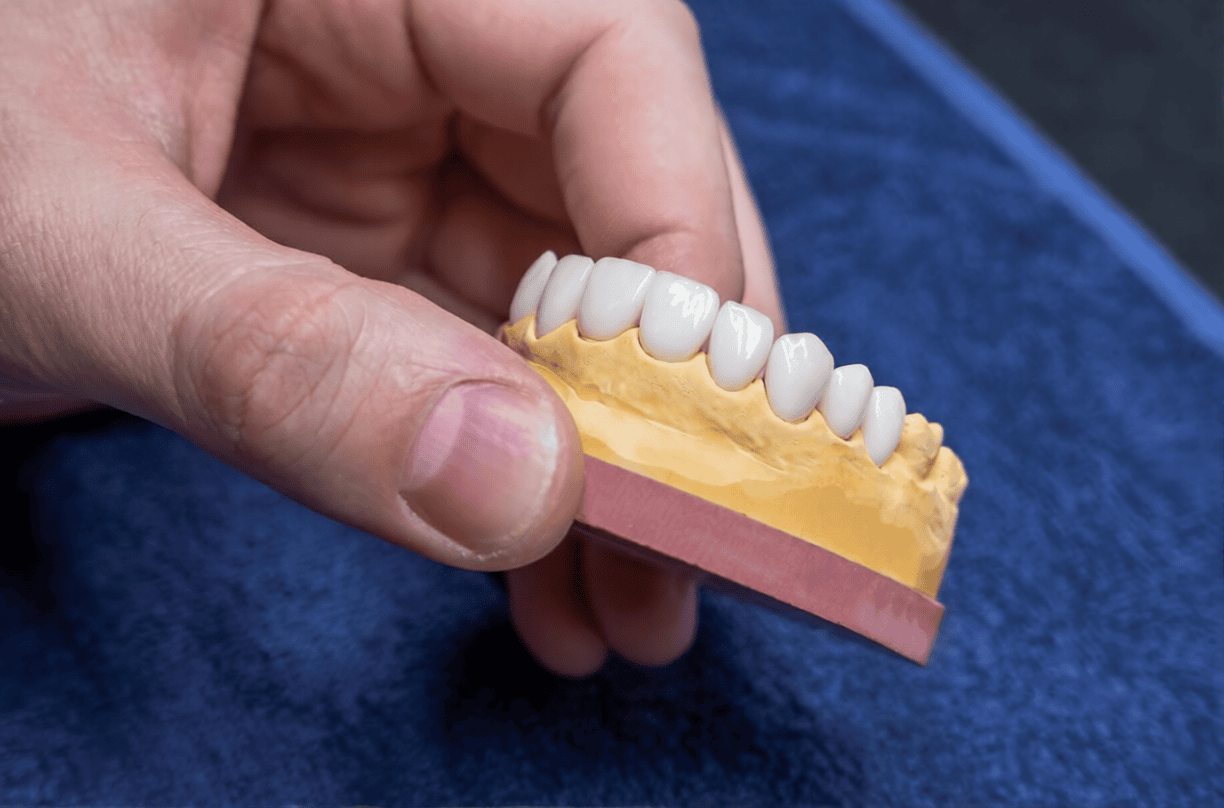
A dental bridge is a tooth-replacement option that fills the gap left by one or more missing teeth. The bridge consists of artificial teeth, called pontics, which are anchored in place by crowns attached to the natural teeth on either side of the gap. These supporting natural teeth are called abutment teeth.
The answer to “What is the maximum number of teeth on a bridge?” depends primarily on your supporting teeth. It’s about their strength and health, not an arbitrary rule. Your dentist evaluates whether your abutment teeth can withstand the additional forces created by the bridge and whether they have sufficient bone support and healthy structure.
Bridge capacity is also influenced by where the missing teeth are located in your mouth. Back teeth experience much greater chewing forces than front teeth, which affects how many consecutive teeth can be replaced with a bridge in that area. A dentist must assess these individual clinical factors to determine whether a bridge is appropriate for your situation and how many teeth it can replace.
How Many Teeth Can a Dental Bridge Replace?
Most conventional dental bridges replace one to three consecutive missing teeth. Single-tooth bridges and two-tooth bridges are the most common. They typically place manageable stress on the supporting teeth when those teeth are healthy, and bite conditions are favourable.
Bridges replacing three teeth are possible and may be suitable for some patients, but they require strong supporting teeth and careful evaluation of bite forces. The longer span of a three-tooth bridge creates more stress on the abutment teeth. Your dentist will need to assess whether your supporting teeth and bone structure can accommodate this.
How many teeth a bridge can cover depends largely on the span and the strength of your abutment teeth. Four-tooth bridges are much less commonly recommended. Whilst technically possible in some cases, replacing four consecutive teeth with a conventional bridge places substantial stress on the supporting teeth. Dentists often recommend alternative treatments, such as implant-supported bridges or partial dentures, when four or more teeth need replacement. These alternatives may offer more predictable outcomes for larger gaps.
How many teeth a dental bridge replaces depends on your individual circumstances. Your dentist will evaluate factors such as the health of the abutment tooth, bite forces, jaw alignment, and the location of missing teeth. This assessment helps determine whether a bridge is appropriate and, if so, what length would be suitable for your situation.
Single-Tooth Bridges
A single-tooth bridge replaces one missing tooth by anchoring an artificial tooth between two supporting teeth on either side of the gap. This type of bridge may function well when the supporting teeth are healthy. Outcomes depend on individual factors such as oral hygiene, bite forces, and overall oral health.
Preparation of adjacent teeth is necessary to accommodate the bridge. Your dentist removes a thin layer of enamel from the supporting teeth to create space for the crowns that will hold the bridge in place.
Some dentists may recommend dental implants for single missing teeth to preserve adjacent tooth structure. Implants don’t require modification of neighbouring teeth, which can be advantageous in certain situations. Your dentist can discuss the benefits and considerations of both options during your consultation.
Two-Tooth Bridges
A two-tooth bridge is a common option for replacing two adjacent missing teeth. The bridge is supported by healthy teeth on either end of the gap, with two connected pontics filling the space.
The pontic section of a two-tooth bridge is longer than that of a single-tooth bridge, but it may function well when the supporting teeth are strong and the bone structure is adequate. Effectiveness depends on several factors, including bite forces in the area, overall oral health, and proper bridge design.
Your dentist will assess these factors during your consultation to determine whether a two-tooth bridge is suitable for your situation. They’ll evaluate the health of your abutment teeth, check for adequate bone support, and consider how bite forces in that area might affect the bridge over time.
Three-Tooth Bridges
Three-tooth bridges represent the upper range of what’s typically recommended for conventional bridges. Replacing three consecutive teeth creates a longer pontic span, which increases stress on the supporting teeth. This type of bridge needs healthy tooth structure and adequate bone support. Even with favourable conditions, individual outcomes vary.
A three-tooth bridge may not be suitable for all patients. Success depends on factors such as bite forces, jaw position, and the condition of the supporting teeth. Molar areas, where chewing forces are greatest, require particularly careful evaluation before placing a three-tooth bridge.
A thorough clinical evaluation is essential before proceeding with a three-tooth bridge. Your dentist will assess whether your supporting teeth can withstand the additional stress and whether the bridge design can distribute forces appropriately. In some cases, alternative treatments may be more suitable for replacing three consecutive teeth.
Four-Tooth Bridge Limitations
Four-tooth bridges are much less commonly recommended due to substantial biomechanical challenges. Whilst technically possible in some cases, a four-tooth span places significant stress on the supporting teeth. Bridge limitations become particularly apparent when replacing four or more consecutive teeth.
A four-tooth bridge may not be viable unless conditions are ideal. This includes having strong abutment teeth, a favourable bite pattern, good bone support around the supporting teeth, and relatively low biting forces in the area. Even when these conditions exist, many dentists prefer alternative treatments for better long-term predictability.
Dentists often recommend implant-supported bridges or partial dentures for replacing four or more teeth. These alternatives may distribute forces more evenly and avoid placing excessive stress on natural supporting teeth. Your dentist can explain which approach might be most suitable based on your individual circumstances and oral health goals.
Factors That Determine Bridge Suitability
The feasibility of a dental bridge depends on multiple clinical factors beyond the number of missing teeth. Your dentist evaluates various aspects of your oral health to determine whether a bridge is appropriate or whether an alternative treatment would be more suitable for your situation.
The two primary factors that influence bridge suitability are the health of your abutment teeth and the bite forces in the area where teeth are missing. Both factors must be carefully assessed during your clinical examination. Understanding the question “What is the maximum number of teeth on a bridge?” requires a dentist to consider how these elements interact and whether they create favourable conditions for a dental bridge.
Treatment planning is individualised because every patient’s oral health, bite pattern, and tooth structure differ. What works well for one person may not work well for another. Professional clinical assessment is essential for determining the most appropriate treatment for replacing your missing teeth.
Abutment Tooth Health
The natural teeth on either side of the gap must be healthy and strong enough to support the bridge and withstand chewing forces. Your dentist assesses several aspects of abutment teeth preparation and overall tooth health before recommending a bridge.
Dentists evaluate tooth root length and the bone support around the roots. They check for the absence of gum disease or significant decay and assess the overall tooth structure. Teeth with compromised root support, active gum disease, or extensive decay may not be suitable for supporting a bridge.
If the supporting teeth have underlying issues, your dentist may need to address them before placing a bridge. In some cases, the condition of the supporting teeth means that alternative treatments would be more appropriate. Remember that healthy teeth require modification to accommodate the bridge, which involves removing a thin layer of tooth structure to create space for the crowns.
Bite Force and Jaw Position
The location of missing teeth in your mouth and the forces exerted during chewing significantly influence whether a multi-tooth bridge is appropriate. Back teeth experience much greater bite forces than front teeth, which can affect how well a longer bridge functions in these areas.
Your dentist assesses bite patterns, jaw alignment, and whether you have habits such as teeth grinding (bruxism) that could place excessive stress on a bridge. These factors help determine whether a bridge can withstand the forces it will encounter during normal function.
Unfavourable bite conditions may make alternative treatments more suitable for replacing multiple teeth. Your dentist will discuss these considerations during your consultation and explain how your specific bite pattern influences treatment recommendations. Understanding these factors helps you make an informed decision about which tooth replacement option suits your needs.
Cost Considerations for Multi-Tooth Bridges
The cost of dental bridges varies based on multiple factors that must be assessed individually. General cost ranges in Western Australia can provide guidance, though your final cost will depend on your specific treatment needs and circumstances.
Single-tooth bridges generally range from $2,500 to $4,000. Two-tooth bridges typically cost between $3,500 and $5,500. Three-tooth bridges usually cost between $4,500 and $7,000. These are general estimates only. Final costs are determined during consultation and depend on materials chosen, treatment complexity, laboratory fees, and dentist fees. Additional procedures may affect total costs.
Private health funds may cover some of the cost of dental bridges, depending on your policy level and waiting periods. Contact your health fund to understand what cover you have for major dental work and whether any benefit limits apply.
We provide transparent pricing with all costs disclosed before treatment begins. When you attend a consultation, request a detailed treatment plan that includes all associated costs, such as examinations, preparation appointments, temporary bridges, and the final bridge placement. Understanding the full cost helps you plan accordingly and make an informed choice about your treatment.
Abutment Teeth Requirements and Preparation
When natural teeth are used to support a dental bridge, they undergo a preparation process that alters their structure. Understanding what happens to your supporting teeth helps you make an informed decision about whether a bridge is the right choice for you.
During abutment teeth preparation, your dentist removes a thin layer of tooth structure to create space for the crowns that will hold the bridge in place. This removal of enamel is necessary for the crowns to fit properly, and the bridge sits at the right height. The process is irreversible, which is an important consideration when weighing treatment options.
After bridge placement, your abutment teeth require the same care as all your natural teeth. Regular brushing is essential, along with flossing using specific techniques around bridges. Your dentist can show you how to clean effectively around your bridge to prevent decay or gum disease.
Maintaining the health of supporting teeth is critical to the longevity of bridges. Any problems that develop with abutment teeth, such as decay or gum disease, can affect the entire restoration. Regular dental check-ups allow your dentist to monitor your abutment teeth and address any concerns early. Taking good care of your supporting teeth helps your bridge function effectively for many years.
When a Dental Bridge May Not Be Suitable
There are situations in which dental bridges may not be the most appropriate treatment for replacing missing teeth. Understanding when bridges are typically not recommended helps you have informed discussions with your dentist about alternatives.
Bridges are often not suitable when there is insufficient supporting tooth structure. If the teeth adjacent to the gap are too small, weak, or compromised, they may not be able to support a bridge effectively. Significant bone loss in the area can also make bridges less viable, as adequate bone support around the abutment teeth is necessary.
Unfavourable bite patterns can rule out bridge treatment in some cases. If your bite places excessive forces on the area where the bridge would be located, or if you have habits such as severe teeth grinding, your dentist may recommend alternative treatments. Missing teeth in high-stress areas, particularly multiple missing molars, may require different approaches.
When preserving adjacent tooth structure is a priority, dental bridges may not align with your treatment goals. Since bridges require modification of healthy neighbouring teeth, some patients prefer alternatives that don’t affect surrounding teeth. Dental implants, which replace individual teeth without requiring support from adjacent teeth, may be more suitable in these situations.
Partial dentures offer another alternative for replacing multiple missing teeth without modifying adjacent teeth. Implant-supported bridges, where dental implants provide support rather than natural teeth, can be appropriate for longer spans of missing teeth. Replacing multiple teeth with bridges becomes less predictable as the span increases, which is why dentists often recommend these alternatives for larger gaps.
A comprehensive clinical examination is necessary to determine the most appropriate treatment for your individual circumstances. Your dentist will discuss the disadvantages of dental bridges alongside the benefits of various options, helping you understand which approach suits your oral health needs, lifestyle, and preferences.
Final Thoughts
Dental bridges can typically replace one to three consecutive teeth, with capacity depending significantly on abutment tooth health, bite forces, and individual clinical factors. Whilst bridges offer an established tooth-replacement option, determining whether a multi-tooth bridge is appropriate requires a professional clinical evaluation.
The health and strength of your supporting teeth are crucial to the success of your bridge. Your dentist will assess these factors alongside your bite pattern, the location of missing teeth, and your overall oral health. This comprehensive evaluation helps determine whether a bridge is suitable or whether alternatives, such as implants or partial dentures, might better serve your needs.
If you’re considering tooth replacement options, contact Karrinyup Dental Centre for a comprehensive consultation. Our team can evaluate your individual needs and provide personalised treatment planning to help support your oral health goals.